






The main purpose of quality control in construction is to prevent defects during the construction process, ensure safety, and achieve the required quality level of the completed building or structure.
This process includes the inspection and testing of construction materials, applied technologies, work methods, and completed structures.
Documenting all inspection and testing results creates an important quality record for future operation, maintenance, and technical supervision.
When quality control is properly implemented, it helps to:
Ensure compliance with construction standards;
Maintain the quality of materials and structures;
Prevent rework and additional costs;
Increase the service life of the project.
The Difference Between Quality Control and Quality Assurance in Construction
In construction management, Quality Control (QC) and Quality Assurance (QA) are closely related but serve different purposes.
Quality Control (QC)
Quality Control refers to the inspections and testing activities carried out during the construction process.
Its main objectives are to:
Identify existing problems;
Detect defects;
Ensure that errors are properly corrected.
Examples include:
Testing concrete quality;
Inspecting and testing welding works;
Checking material certificates;
Evaluating whether completed works comply with the approved design.
Quality Assurance (QA)
Quality Assurance is a more preventive approach.
Its main objective is to prevent defects and errors from occurring in the first place.
It includes:
Establishing proper work processes;
Defining quality standards;
Training personnel;
Implementing quality management systems.
Key Elements of Quality Control in Construction
1. Technical Requirements and Specifications
Technical specifications are the foundation of quality control in a construction project.
These documents define for each construction stage:
Materials to be used;
Work methods;
Technical standards;
Acceptance criteria.
Well-prepared technical requirements ensure that all project participants clearly understand the project's expectations and quality standards.
2. Review of Materials and Construction Documentation
During construction, documents submitted by contractors undergo detailed review.
These may include:
Shop drawings;
Material samples;
Technical descriptions;
Manufacturer documentation;
Equipment data.
After review by the general contractor, the documents are submitted to architects and engineers for approval.
This process ensures that the materials and technical solutions used on site comply with the project requirements.
3. Regular Site Inspections
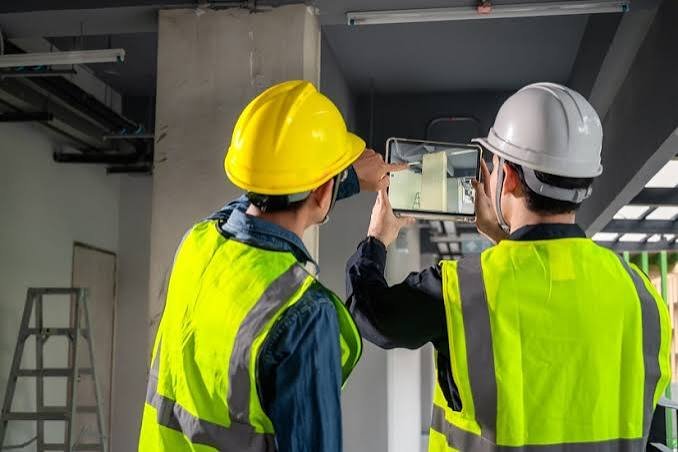
Construction site inspections are one of the most important elements of quality control.
During inspections, the following are evaluated:
Compliance of completed works with the approved design;
Proper use of materials;
Correct application of construction methods;
Compliance with safety requirements.
Inspections may be carried out by engineers, technical supervisors, architects, and representatives of relevant authorities.
4. Effective Communication
Successful quality control requires effective communication among all project participants.
These may include:
Client;
Designers;
General contractor;
Subcontractors;
Engineers;
Technical supervision team.
Clear communication:
Reduces misunderstandings;
Allows problems to be resolved quickly;
Helps keep the project on schedule.
Roles of Key Participants in Construction Quality Control
Client
The client establishes the project's quality requirements and ensures that all participants comply with them.
Architects and Designers
Architects and engineers:
Prepare project documentation;
Define technical solutions;
Establish quality requirements and standards.
General Contractor
The general contractor manages the overall construction process and ensures that the works are carried out in accordance with the approved design.
Subcontractors and Suppliers
They are responsible for:
Supplying quality materials;
Performing works in accordance with technical requirements.
Technical Supervisors
Technical supervision specialists inspect materials, workmanship, and individual stages of construction.
Project Manager and Construction Manager
They organize quality management processes, monitor identified issues, and ensure that appropriate corrective actions are taken.
How to Ensure Quality Control in Construction
1. Selecting a Professional Team
To achieve a high-quality result, it is important to work with experienced:
Engineers;
Architects;
Contractors;
Suppliers.
A professional team is one of the key foundations of successful project delivery.
2. Defining Clear Technical Requirements
From the beginning of the project, the following should be clearly defined:
Materials to be used;
Work standards;
Technical specifications;
Execution schedules.
3. Selecting Reliable Suppliers
Material quality has a direct impact on the durability of a construction project.
Therefore, it is important to:
Select certified products;
Inspect material quality;
Follow the required delivery schedule.
4. Ensuring Safety and Compliance with Standards
During construction, strict compliance with the following is essential:
Safety regulations;
Building codes;
Technical standards.
A safe working environment contributes to both quality and long-term project performance.
5. Final Inspection and Approval
After each stage of work is completed, it is necessary to:
Conduct technical inspections;
Identify defects;
Carry out the necessary corrections.
After construction is completed, the entire facility should undergo a final inspection and be prepared for acceptance and commissioning.
6. Conducting Audits and Testing
Regular audits and technical tests help to:
Detect hidden defects;
Reduce risks;
Maintain established quality standards.
7. Using Modern Technologies
Digital technologies make construction quality control more efficient.
Modern solutions include:
BIM modeling;
Digital construction monitoring;
Electronic reporting systems;
Automated inspection platforms.
These technologies help reduce errors and simplify project management.
Conclusion
Quality control in construction is not simply the inspection of a completed building. It is a comprehensive management process that covers all stages of project implementation.
Proper quality control:
Creates a safe construction environment;
Increases the service life of the project;
Reduces additional costs;
Ensures a result that meets the client's expectations.
In modern construction projects, high quality is achieved through a combination of professional engineering expertise, effective planning, proper technical supervision, and the use of advanced digital technologies.